
If you plan to buy a new router or upgrade an old one, there is a huge list of options at your disposal. As far as choosing a router goes, the chances are that you might not be sure of the factors to consider. In light of this, this write-up outlines several tips that could help you buy the right internet router for your connectivity needs.
Go for a Standard Router
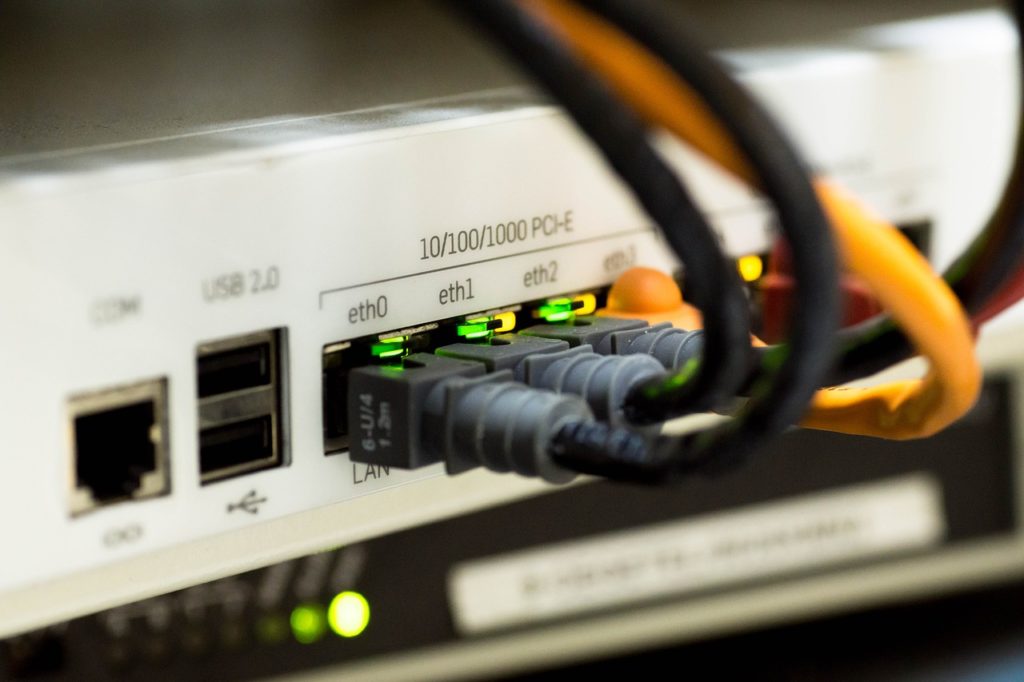 A router that supports the 801.11 ac technology is highly regarded. This is a relatively new ‘standard’ that allows you to enjoy data speeds up to three times than those offered by the 802.11n. Older routers do not support high internet speeds, such as 100 Mbps. Therefore, a router than 802.11 ac is the perfect solution for most wireless issues.
Single or Dual Band
Wireless routers operate on two main frequencies, 5 and 2.4 GHz. Single-band routers support either the 2.4 GHz or the 5GHz, but not both. Dual-band routers support both frequencies. Of these two options, dual-band routers give you some flexibility concerning the range of devices that can be used on your router. For instance, laptops and smartphones can use the 5 GHz band, while smaller gadgets tend to use the 2.4 GHz. It is also worth noting that dual-band routers work perfectly in populated areas, while the single band is ideal if your neighbors’ networks do not interfere.
Consider the Range
A router’s range defines its reach. While the range has something to do with its relative position, it is imperative to choose a router that gives you a wide range. If you are looking for a home router, an average router can be just fine. On the other hand, a router with a wide range is ideal for commercial applications. Ideally, external antennas serve to expand a router’s overall range.
Consider the Lifespan
Networking hardware subjects the router to considerable stress. A router, especially one used in a busy environment, has to endue significant overload. Therefore, you must pay attention to the lifespan and adaptability of the router to your demands. Ideally, high-end routers have a decent lifespan. Further, regular router changes can lead to substantial costs compared to selecting the router for the first time.…